Transformation in higher education too often feels fragmented or siloed, treated as a one-time initiative instead of the ongoing, systemic process it must be. While the field holds a deep and growing body of knowledge about what works, that knowledge is often scattered, disconnected, or difficult to apply in real contexts.
The challenge isn’t what we know—it’s how to use what we know.
The real work lies in connecting insights to action, making sense of complex reforms, and integrating change across roles, departments, and systems. Without the right support to implement and sustain transformation over time, even strong ideas can stall. The Changemakers Hub was created to change that.
This space is designed to help you bridge the gap between knowing and doing. It brings together field-tested tools, proven strategies, and human-centered insights curated not just for learning, but for implementation. Whether you’re just starting or already deep in the work, this site is here to support meaningful change at your institution. By elevating the identity of higher education professionals as agents of change, we reinforce that transformation is a shared responsibility and ensure that those leading it at every level feel seen, valued, and equipped to drive lasting impact.
We invite you to join a growing movement—applying what we know, empowering those who lead, and building lasting change across higher education.
Meet the Curators
Our team of content curators have spent nearly a decade supporting institutions, networks, and funders advancing equity-centered transformation in postsecondary education. Together, they’ve held key roles in national efforts including the Frontier Set (FS), Institutional Transformation Assessment (ITA), Intermediaries for Scale (IFS), and Higher Endeavor. Their work spans strategy, evaluation, field engagement, and implementation—grounded in deep experience driving institutional change from both inside and outside higher education.
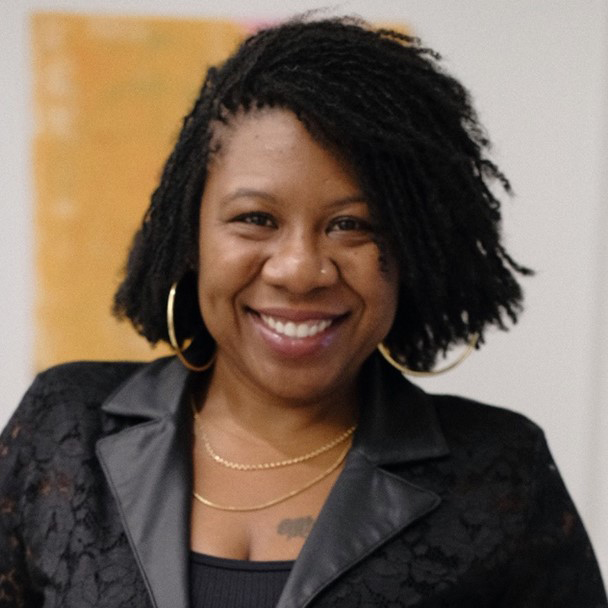
Tiffany Polite, Ph.D
Tiffany is a former Director of Learning and Evaluation at the University Innovation Alliance centering the experience of transformation at public research universities. She supports leaders and organizations as they build capacity for equity-focused change, centering power, strategy, and culture to shift systems and improve long-term outcomes.
Christel Perkins, Ed.D.
Christel is a social impact strategist, educator, and leadership anthropologist focused on how leaders catalyze or stifle transformation in postsecondary education, workforce development, and mission-driven organizations. She helps leaders and organizations navigate complexity, identify hidden patterns, and build capacity to lead sustainable, equitable, and human-centered change.
Maxine Roberts, Ph.D
Maxine is a national postsecondary strategist who helps colleges and universities, foundations, intermediaries, and nonprofits translate research and evidence into strategies for institutional transformation. She specializes in helping organizations move from insight to action through implementation strategies that align evidence, people, and practice to improve student outcomes.
SINCERELY,
The Curation Team
Meet the Contributors
The Guide for Postsecondary Changemakers is built by a growing network of field experts, practitioners, researchers, and institutional leaders, who have shaped this resource hub from the ground up. Their contributions span strategic direction, content development, and original writing, reflecting the collective expertise driving this work forward.
Senior Management Consultant
Management Analysis and Development, Minnesota Management and Budget
Cameron Smither | LinkedIn
Mandee Eckersley
Senior Vice President of Client Engagement, Postsecondary Success Alithi Management Consulting Mandee Eckersley | LinkedIn
PARTNER SPOTLIGHT
Mid-Level Leaders Design Network
Mid-level leaders (MLLs) are uniquely positioned to break down silos and foster cross-functional collaboration, making them essential drivers of institutional transformation. They often champion efforts that engage constituents across different units to identify organizational challenges and in turn develop and implement equitable change.
This insight, surfaced through the Frontier Set, led to a research and design project focused on understanding and equipping MLLs for their pivotal role as principal drivers of transformation. It pioneered a first-of-its-kind, user-centered, equity-focused process that empowers MLLs to co-create practical tools for advancing equity-centered student success (ECSS). Read the reports below for more info!
This report examines organizational practices and routines at 23 institutions revealing challenges faced by MLLs in advancing equity-centered student success initiatives, including competing institutional objectives, utilizing holistic data, institutionalizing faculty involvement, navigating obstacles in initiative operations, all while supporting the intentional redesign of student support units.
This summary captures a collaborative design workshop where MLLs addressed the most urgent challenges identified in the research report, previously shaped into actionable opportunity briefs. This collaborative approach culminated in a collection of elaborate product ideas. Those ideas deemed the most crucial and applicable were given priority by the user group and have been transformed into a toolkit specifically for MLLs.
John Georgas
Vice Provost, Academic Operations, Northern Arizona University
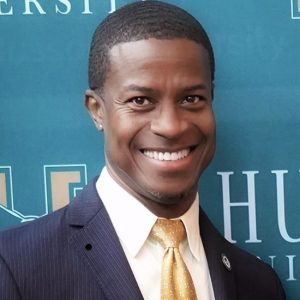
Victor M. Brown, Ph.D., M.B.A.
Vice President for Academic Affairs and Provost, Husson University
London Mickle
University Program Specialist, Winston-Salem State University
Mary Therese F. Cruz, Ph.D.
Associate Dean, College of Liberal Arts and Social Sciences, University of Guam
Patricia “Trish” Burke-Williams
STEM Advising Manager, Sinclair College
Catherine Preston
Executive Director Academic Advising & Career Development, University of South Alabama
Kaitlyn Pereyra
Senior Director, Student Success Operations and Strategy Florida, International University
Nicole Carr
Associate Vice President, Student Academic Success, University of South Alabama
Marlena Pangelinan
Vice Provost for Institutional Effectiveness, University of Guam
Guillermo “Willie” Martinez III
Associate Vice Chancellor, Student Engagement & Academic Success, Austin Community College
Karla Knepper
Director of Academic Advising, Sinclair Community College
PARTNER SPOTLIGHT
Frontier Set Intermediaries
From 2015 to 2021, the Frontier Set was supported by six intermediary organizations with deep expertise in equity and institutional transformation. These partners selected, convened, and supported institutions committed to improving outcomes for Black, Latino, Indigenous, first-generation, and low-income students.
More than technical assistance providers, intermediaries served as trusted collaborators—building relationships, facilitating shared learning, and translating learning and insights into actionable strategies for the field. Their leadership helped align transformation efforts across a diverse set of institutions and systems.
Grounded in professional expertise and lived experience, they centered equity not only in outcomes but in how change was led and sustained. Today, these leaders continue to shape the future of student success across philanthropy, policy, and practice.
Completion by Design (CBD) brought together nine two-year colleges in Florida, North Carolina, and Ohio to pilot a whole-college redesign rooted in Guided Pathways. Using the Loss/Momentum Framework, institutions aligned programs and services to improve the student experience from connection to completion laying the groundwork for equity-centered transformation.
The Frontier Set (FS) built on CBD’s foundation, uniting 29 colleges and universities and two state systems to pilot the Institutional Transformation Framework (ITF). FS institutions used the ITF to align strategy, structures, and student experience through evidence-based practices and strengthened internal capacities moving from isolated reforms to integrated, sustainable change.
These phases are connected—and continuous. Each cycle builds on the last, deepening impact and embedding equity-driven change over time.
Monitor
Track results, gather insights, and assess progress. Use data and voice to refine strategy and ensure equity stays at the center.
Act
Implement reforms through cross-functional coordination. Test strategies, support your teams, and adapt based on feedback and student outcomes.
Prioritize
Focus your resources on what matters most. Target high-impact strategies that advance equity, improve student experience, and align with your mission.
Reflect
Examine disaggregated data and student experiences to understand root causes. Identify what needs to change—and why it matters.
Prepare
Establish a shared vision. Define the challenge, build the team, and ground your work in equity and student success from the start.